About Murrah Buffalo
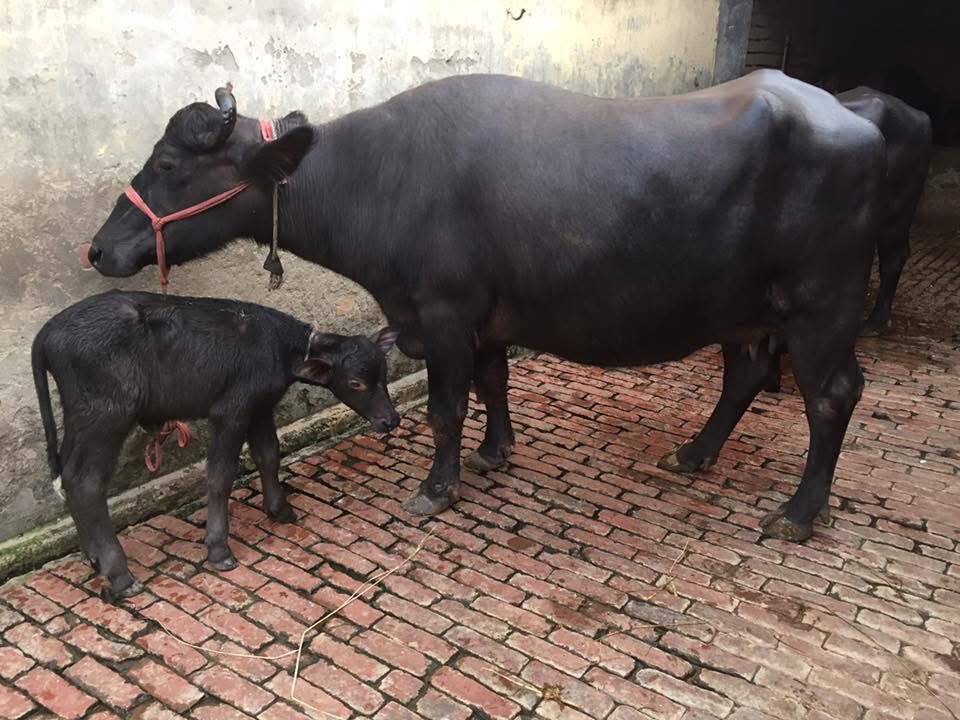
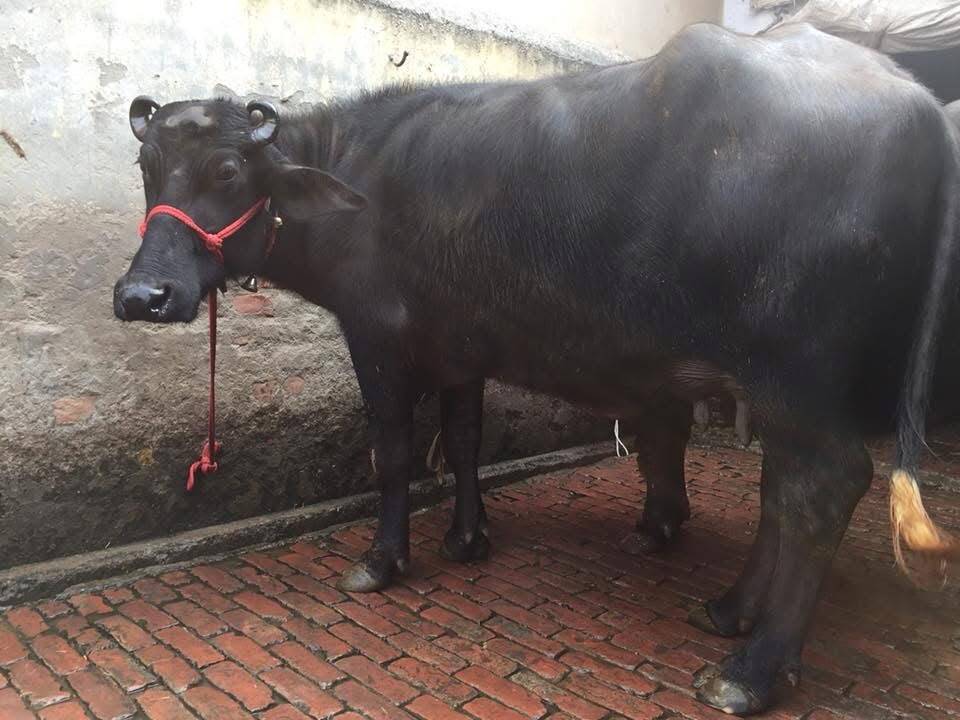
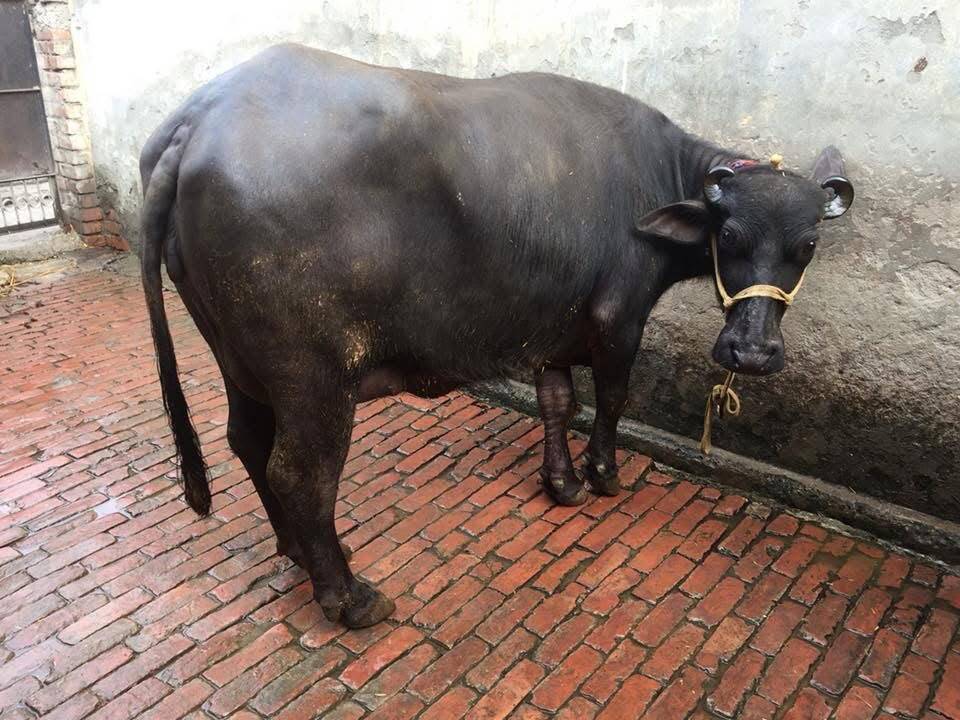
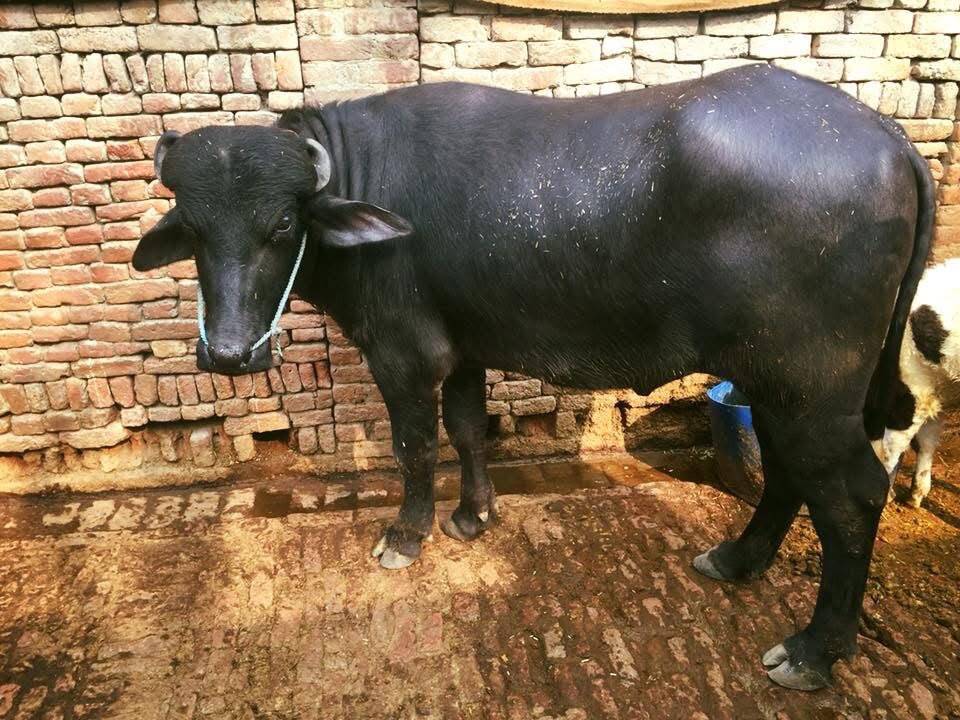
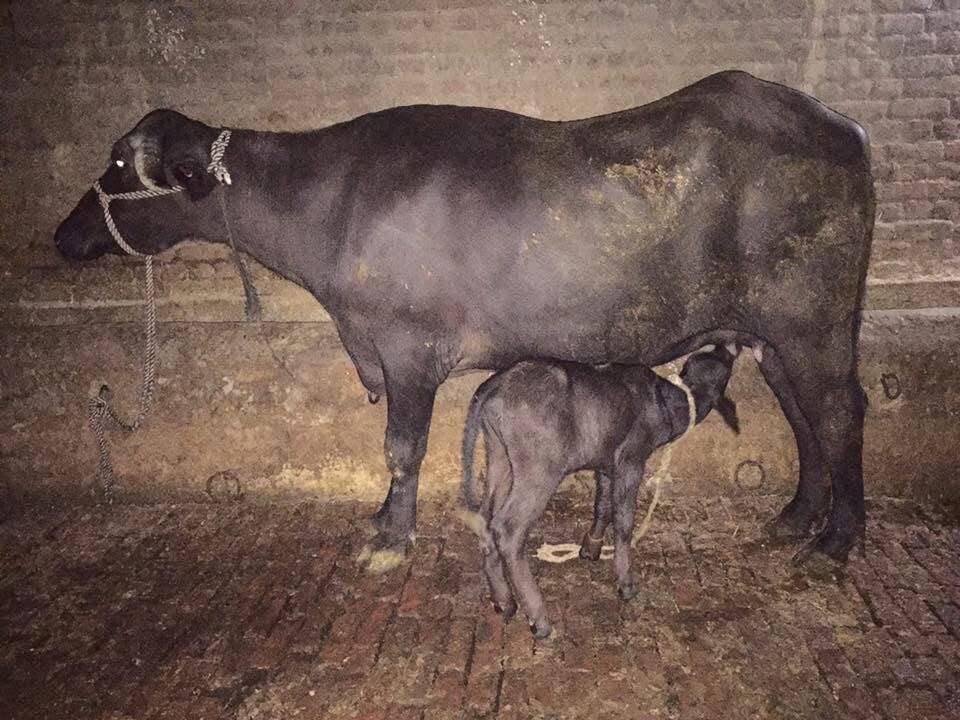
The Murrah Buffalo is a premium Indian dairy breed widely recognized for its excellent milk production, high milk-fat content, and strong adaptability to different farming environments. Originating from Haryana and Punjab, Murrah buffaloes are highly preferred in the dairy farming, livestock breeding, and commercial milk production industries. Their rich and creamy milk is extensively used in dairy processing applications, including ghee, butter, paneer, curd, cheese, and other milk-based products. These buffaloes are known for their distinctive black coat, compact body, and tightly curled horns. They are suitable for individual dairy farmers, commercial dairy farms, livestock entrepreneurs, and breeding centers. With proper nutrition, healthcare, clean housing, and regular management, Murrah buffaloes offer excellent opportunities for sustainable dairy farming and long-term business growth.
Frequently Asked Questions About Murrah Buffalo
Q1. What is a Murrah Buffalo?
A: Murrah Buffalo is a high-yielding Indian dairy buffalo breed famous for its black body, curled horns, and rich, high-fat milk. It is widely raised for commercial milk production and breeding.
Q2. How much milk does a Murrah Buffalo produce daily?
A: A healthy Murrah buffalo can generally produce around 8-15 litres of milk daily under good feeding and management conditions. Actual production depends on genetics, lactation stage, nutrition, and health.
Q3. What are the main uses of Murrah Buffalo milk?
A: Murrah buffalo milk is commonly used for producing ghee, paneer, butter, curd, cheese, sweets, and other dairy products because of its comparatively high fat content.
Q4. Is Murrah Buffalo suitable for commercial dairy farming?
A: Yes, Murrah buffaloes are an excellent option for commercial dairy farming due to their milk quality, market demand, and suitability for organized livestock businesses.
Q5. What should I check before purchasing a Murrah Buffalo?
A: Check its breed characteristics, age, health condition, vaccination records, pregnancy or lactation status, previous milk yield, and veterinary examination report before purchasing.




 Send Inquiry


 Send Inquiry


