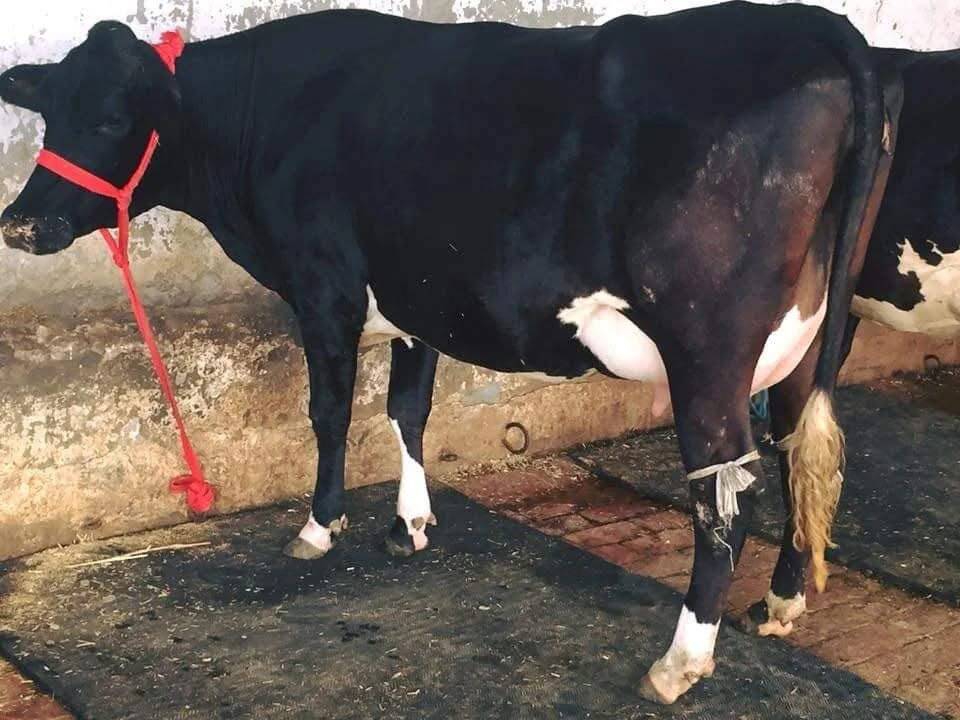
About HF Cow
The HF Cow (Holstein Friesian) is one of the world's most popular dairy cattle breeds, recognized for its distinctive black-and-white appearance and exceptional milk production capacity. Originally developed in the Netherlands, this breed is widely used in commercial dairy farming, livestock breeding, milk processing, and agricultural industries. HF cows are particularly suitable for dairy businesses focused on supplying large quantities of fresh milk to dairy cooperatives, milk processing plants, hotels, restaurants, and food manufacturing companies. Their milk is used in various applications, including packaged milk, yogurt, curd, cheese, butter, ice cream, and other dairy products. These cows require balanced nutrition, proper shelter, clean drinking water, and regular veterinary care to maintain productivity. HF cows are an attractive investment for dairy entrepreneurs seeking to establish productive and professionally managed dairy farming operations.
Frequently Asked Questions About HF Cow
Q1. What is an HF Cow?
A: HF Cow, also known as Holstein Friesian, is a specialized dairy cattle breed famous for its high milk-producing capacity and distinctive black-and-white coat.
Q2. How much milk does an HF Cow produce daily?
A: An HF cow can generally produce around 15-25 litres of milk per day under suitable management conditions. High-performing cows may produce more depending on genetics, nutrition, and lactation stage.
Q3. What are the major applications of HF Cow milk?
A: HF cow milk is widely used for packaged milk, curd, yogurt, cheese, butter, cream, ice cream, sweets, and other dairy processing applications.
Q4. Is HF Cow suitable for Indian dairy farming?
A: Yes, HF cows can be raised in India with appropriate housing, nutrition, cooling arrangements, and veterinary care. Proper heat-stress management is particularly important in warmer regions.
Q5. What factors should I consider before purchasing an HF Cow?
A: Consider breed quality, age, milk production history, health condition, vaccination records, reproductive history, lactation stage, and adaptability to local climatic conditions.





 Send Inquiry


 Send Inquiry


